novelgroup.lu

Categories
News

What are the opinions of Luxembourgish students on the types of social issues that social entrepreneurship can address effectively?

What are the opinions of Luxembourgish students on the types of social issues that social entrepreneurship can address effectively?

Luxembourg embodies a unique blend of economic prosperity and social sensitivity. As the global community struggles with multi-faceted challenges, from climate change to inequality, Luxembourg citizens are increasingly turning to social entrepreneurship as a catalyst for positive change. Through an extensive survey that captured the voices of engineering students, a resounding consensus emerges: social entrepreneurship has enormous potential to effectively address a wide range of social issues.

Defending environmental sustainability: Among the countless concerns expressed by respondents, environmental sustainability is the most dominant. There is a noticeable urgency to combat climate change, promote renewable energy and foster sustainable urban development. Social entrepreneurship is perceived as a lighthouse of hope, offering innovative solutions to safeguard our planet for future generations.

Leveraging technology for the benefit of society: In an era defined by technological innovation, students express optimism about the transformative power of technology in addressing societal challenges. From mental health support apps to platforms that improve accessibility for people with disabilities, technology-driven social enterprises are seen as agents of positive change, bridging gaps and empowering communities.

Empowerment through training and capacity building: Education is highlighted as a key pillar of social progress, with respondents stressing the need for accessible and innovative educational solutions. Social entrepreneurship efforts aim to democratize education, equipping individuals with the skills and knowledge needed to thrive in an ever-evolving landscape.

Prioritizing healthcare and well-being: Respondents highlight the role of social entrepreneurship in providing innovative solutions in the health sector. Whether through telemedicine platforms or community wellness initiatives, these efforts seek to enhance accessibility to healthcare and promote holistic well-being.

Advancing gender equality and inclusion:  A deep commitment to promoting a society that champions gender equality and inclusion is deeply rooted. Social entrepreneurship is seen as a vehicle for systemic change, removing barriers and creating pathways for equal participation and representation in all sectors.

Promoting community development and poverty reduction: Community-driven approaches to poverty reduction and sustainable development are at the heart of respondents’ perspectives. Social entrepreneurship efforts aim to empower local communities by enhancing economic resilience and social cohesion through tailored initiatives that address their unique needs and challenges.

Through collaborative action and an unwavering commitment to social impact, the transformative potential of social entrepreneurship can be fully realized, bringing a better future for all.

Uncover your skills.

Contact Us

+352671159001

info@novelgroup.lu

Rue de Bastogne 12, L-1217 Luxembourg

Categories
News

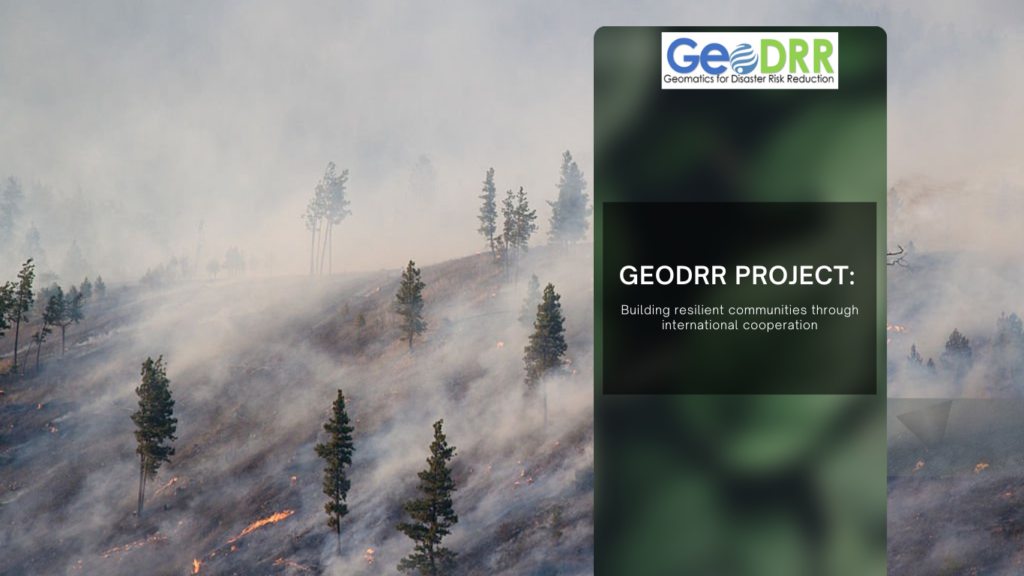
GeoDRR project: Building resilient communities through international cooperation

GeoDRR project: Building resilient communities through international cooperation

In an increasingly interconnected world, the impact of natural disasters can easily transcend borders and require global collaboration towards the building of resilient communities. The geoDRR-Geomatics for Disaster Risk Reduction-project is a pragmatic example of the strength in international cooperation when it comes to solving one of the most important challenges that humans must deal with-reducing disaster risk in the face of higher climate-related risks. As one of the world’s most disaster-prone regions, this project had been making an outstanding contribution to society using its Erasmus+ funding to bring together academic institutions in Europe and Southeast Asia to develop a new cadre of disaster-prepared professionals.

International collaboration for a shared goal

At the core of the geoDRR project is a formidable consortium of universities and institutions from both Europe and Southeast Asia. The key participants include the Silesian University of Technology (Poland), University Sains Malaysia, University Utara Malaysia, Xavier University, and the University of the Cordilleras, Philippines, and National University of Battambang and Svay Rieng University in Cambodia. In cooperation with the European partners, like the University of West Attica, University of Alicante, and Novel Group, respectively from Greece, Spain, and Luxembourg, they are jointly developing and implementing an MSc in Geomatics for Disaster Risk Reduction. The nature of this course will be specifically designed to address the strategic needs of Southeast Asia against natural calamities such as typhoons, floods, earthquakes, and landslides.

The asset, in that respect, of the geoDRR project is manifold: among the first strengths it possesses is the amalgamation of local expertise with European academic support. These Southeast Asian institutions comprehend regional disaster risks and vulnerabilities at a deep level, while their academics amalgamate with cutting-edge research carried out by European universities, advanced tools, and pedagogic approaches to enhance educational offerings. It has resulted in the development of specialist, advanced training programmes aimed at teaching staff and students the proper methods of responding to natural disasters.

A model for future global initiatives

The geoDRR project is more than an academic initiative; it’s a model of how international collaboration can help to meet global challenges. Promoting the exchange of knowledge across continents, it has developed a new model for education in disaster risk reduction. This project focuses on building capacity, ensuring that benefits from this collaboration will reach well beyond the classroom to the local governments, community leaders, and disaster management professionals for more resilient communities better prepared to meet the challenges of tomorrow.

The geoDRR project epitomizes the contribution of international collaboration toward resilient communities. Combining the expert knowledge of European and Southeast Asian institutions, geoDRR equips a whole new generation of professionals with the necessary knowledge and tools to respond adequately to natural disasters. This partnership serves as a strong model to be emulated by other global initiatives relevant to disaster risk reduction and climate resilience.

Uncover your skills.

Contact Us

+352671159001

info@novelgroup.lu

Rue de Bastogne 12, L-1217 Luxembourg

Categories
News

Environmental Crisis: Alternative Ways to Reduce our Environmental Footprint

Environmental Crisis: Alternative Ways to Reduce our Environmental Footprint

The environmental crisis we face today is an urgent issue that demands immediate attention and action. It encompasses a wide range of problems including climate change, pollution, deforestation, and biodiversity loss. These issues are interconnected and have severe impacts on the planet and its inhabitants. Fortunately, there are numerous alternative ways to reduce our environmental footprint and mitigate the damage.

The Causes of the Environmental Crisis

  • Climate Change: The primary driver of climate change is the increased concentration of greenhouse gases (GHGs) in the atmosphere, mainly from burning fossil fuels for energy, deforestation, and industrial processes. These gases trap heat and cause the global temperature to rise, leading to extreme weather events, sea level rise, and disruptions to ecosystems.
  • Pollution: Industrial activities, agriculture, and improper waste disposal contribute to air, water, and soil pollution. Chemicals, plastics, and other pollutants harm wildlife, contaminate food and water supplies, and pose significant health risks to humans.
  • Deforestation: The clearing of forests for agriculture, logging, and urban development reduces biodiversity, disrupts water cycles, and releases significant amounts of CO2 into the atmosphere.
  • Biodiversity Loss: Habitat destruction, pollution, climate change, and overexploitation of resources have led to the extinction of many species and the endangerment of countless others. This loss of biodiversity weakens ecosystems and reduces their ability to provide essential services.

Alternative Ways to Reduce Our Environmental Footprint

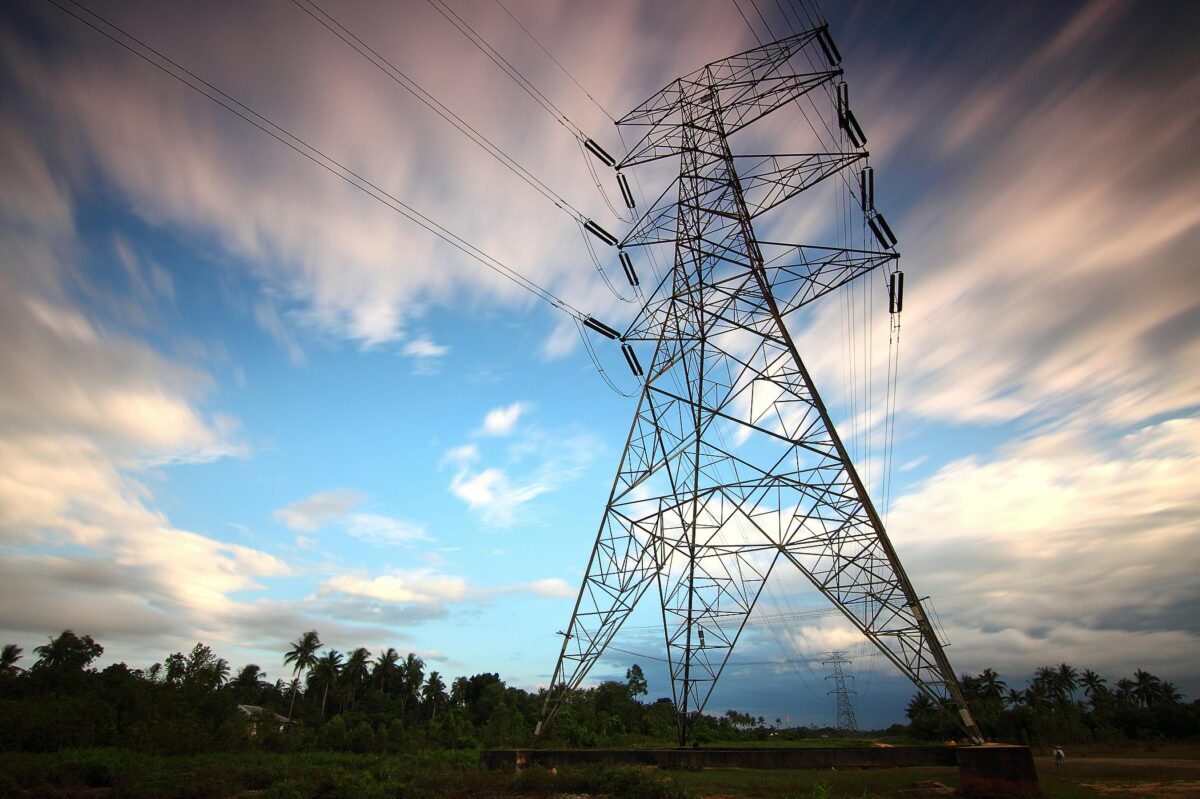
  • Renewable Energy: Transitioning to renewable energy sources such as solar, wind, hydro, and geothermal power can significantly reduce GHG emissions. These energy sources are abundant, sustainable, and have a much lower environmental impact compared to fossil fuels.
  • Energy Efficiency: Improving energy efficiency in buildings, transportation, and industries can reduce energy consumption and lower emissions. This can be achieved through better insulation, energy-efficient appliances, LED lighting, and advanced manufacturing processes.
  • Sustainable Transportation: Promoting public transportation, cycling, walking, and the use of electric and hybrid vehicles can reduce emissions from the transportation sector. Urban planning that prioritizes these modes of transportation can also contribute to reduced congestion and pollution.
  • Sustainable Agriculture: Adopting sustainable farming practices such as organic farming, agroforestry, and regenerative agriculture can enhance soil health, reduce pesticide and fertilizer use, and sequester carbon. Reducing meat consumption and supporting local food systems can also lower the environmental impact of food production.
  • Waste Reduction: Implementing the principles of reduce, reuse, and recycle can minimize waste and its associated environmental impacts. Composting organic waste, reducing single-use plastics, and promoting circular economy practices can help create a more sustainable waste management system.
  • Conservation and Reforestation: Protecting existing forests and restoring degraded lands through reforestation and afforestation efforts can enhance biodiversity, sequester carbon, and improve water cycles. Supporting conservation initiatives and protected areas is also crucial for preserving biodiversity.
  • Water Conservation: Efficient water use in agriculture, industry, and households can reduce the strain on freshwater resources. Techniques such as drip irrigation, rainwater harvesting, and wastewater recycling can help conserve water and maintain its quality.
  • Education and Advocacy: Raising awareness about environmental issues and promoting sustainable practices can empower individuals and communities to take action. Supporting policies and initiatives that aim to protect the environment and address climate change is essential for creating systemic change.

The environmental crisis is a complex and multifaceted issue that requires a comprehensive and coordinated approach to address. By embracing renewable energy, improving energy efficiency, adopting sustainable practices in agriculture and transportation, reducing waste, and conserving natural resources, we can significantly reduce our environmental footprint. Education and advocacy are also key to fostering a culture of sustainability and ensuring that future generations can thrive in a healthy and balanced ecosystem.

Uncover your skills.

Contact Us

+352671159001

info@novelgroup.lu

Rue de Bastogne 12, L-1217 Luxembourg

Categories
News

Education and Artificial Intelligence

Education and Artificial Intelligence

The integration of artificial intelligence (AI) in educational systems is revolutionizing the way we teach and learn. AI technologies are enhancing educational experiences by providing personalized learning, improving administrative efficiency, and offering new opportunities for both students and educators.

One of the most significant impacts of AI in education is personalized learning. AI-driven platforms can analyze individual student’s learning styles, strengths, and weaknesses, tailoring educational content to meet their specific needs. This personalized approach helps students grasp concepts more effectively and at their own pace, leading to improved academic performance and greater engagement.

AI also plays a crucial role in automating administrative tasks, freeing up valuable time for educators to focus on teaching. Tasks such as grading, scheduling, and student assessments can be efficiently managed by AI systems, reducing the administrative burden on teachers and allowing them to dedicate more time to personalized instruction and student support.

Moreover, AI-powered tools facilitate access to a wealth of resources and information, making education more inclusive and accessible. For instance, AI can provide real-time translation and transcription services, breaking down language barriers and supporting students with disabilities. This ensures that all students have equal opportunities to participate in the learning process.

AI is also fostering innovative teaching methods, such as virtual reality (VR) and augmented reality (AR), which create immersive and interactive learning environments. These technologies enhance students’ understanding of complex subjects by allowing them to visualize and interact with concepts in ways that traditional methods cannot.

In conclusion, the integration of artificial intelligence into the educational system is transforming the landscape of education. By offering personalized learning experiences, improving administrative efficiency, and introducing innovative teaching methods, AI is paving the way for a more effective, inclusive, and engaging educational environment.

Uncover your skills.

Contact Us

+352671159001

info@novelgroup.lu

Rue de Bastogne 12, L-1217 Luxembourg

Categories
News

Entrepreneurship and Sustainable Development

Entrepreneurship and Sustainable Development

Entrepreneurship plays a crucial role in promoting sustainable development by driving innovation and creating solutions that address environmental and social challenges. As the world faces increasing threats from climate change, resource depletion, and inequality, sustainable entrepreneurship emerges as a vital force for positive change.

Sustainable entrepreneurship involves the creation of businesses that prioritize environmental stewardship, social equity, and economic viability. These entrepreneurs develop products and services that reduce ecological footprints, enhance resource efficiency, and support community well-being. By integrating sustainability into their business models, they not only generate profit but also contribute to the broader goals of sustainable development.

One of the key areas where sustainable entrepreneurs make a significant impact is in the adoption of renewable energy technologies. Companies focusing on solar, wind, and other renewable energy sources are transforming the energy landscape, reducing reliance on fossil fuels, and lowering greenhouse gas emissions. Similarly, entrepreneurs in the fields of sustainable agriculture, waste management, and water conservation are developing innovative solutions to some of the most pressing environmental issues.

Moreover, sustainable entrepreneurship fosters social innovation by addressing issues such as poverty, education, and healthcare. Social enterprises and impact-driven businesses create jobs, empower marginalized communities, and improve access to essential services, thereby contributing to social inclusion and equity.

Government policies, access to finance, and supportive ecosystems are crucial in enabling sustainable entrepreneurship. By encouraging green investments, providing incentives for sustainable practices, and supporting research and development, policymakers can help create an environment where sustainable businesses thrive.

In conclusion, sustainable entrepreneurship is a powerful driver of sustainable development. By aligning business goals with environmental and social objectives, entrepreneurs can create lasting positive impacts, fostering a more sustainable and equitable future.

Uncover your skills.

Contact Us

+352671159001

info@novelgroup.lu

Rue de Bastogne 12, L-1217 Luxembourg

Categories
News

END GBV in VET Project Newsletter Release

Stay updated with the latest developments, resources, and initiatives dedicated to combating gender-based violence in vocational education and training.  Explore the newsletter to discover insightful articles, helpful tips, and upcoming events. NEWSLETTER


https://us18.campaign-archive.com/?e=[UNIQID]&u=3194521d46c11c3fb476e93b2&id=6fedb5eecd

Uncover your skills.

Contact Us

+352671159001

info@novelgroup.lu

Rue de Bastogne 12, L-1217 Luxembourg

Categories
News

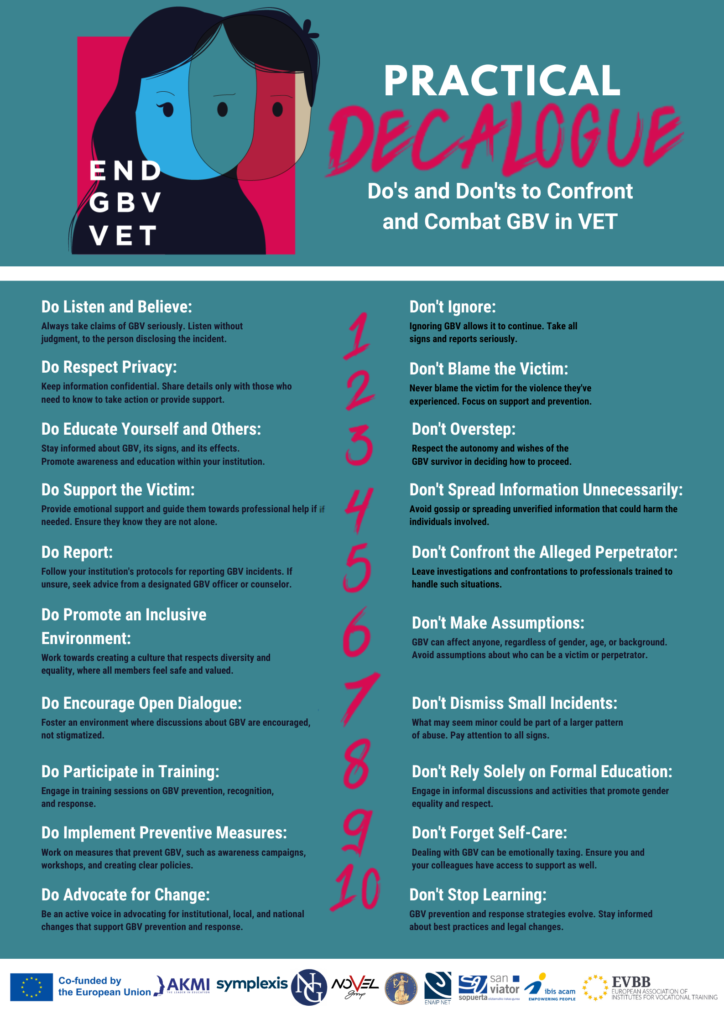
Practical Decalogue for Combating Gender-Based Violence in VET

Practical Decalogue for Combating Gender-Based Violence in VET

We are thrilled to announce the release of our new practical decalogue, designed to aid in combating gender-based violence in VET . This comprehensive list includes practical information, suggestions, processes, and useful links, all aimed at addressing and preventing GBV in VET environments.

Uncover your skills.

Contact Us

+352671159001

info@novelgroup.lu

Rue de Bastogne 12, L-1217 Luxembourg

Categories
News

We are excited to announce the release of the 3rd newsletter for our S.E.VET Project!

We are excited to announce the release of the 3rd newsletter for our S.E.VET Project!

This edition includes the latest updates on our progress, upcoming activities, and key achievements from the past months, such us our Surveys with professionals and our last face to face meeting.

Find more information HERE!

Uncover your skills.

Contact Us

+352671159001

info@novelgroup.lu

Rue de Bastogne 12, L-1217 Luxembourg

Categories
News

2nd everGREEN Newsletter

Our 2nd everGREEN Newsletter is now available. You can find it here.

Uncover your skills.

Contact Us

+352671159001

info@novelgroup.lu

Rue de Bastogne 12, L-1217 Luxembourg

Categories
News

EDDIE Project – Final Event

EDDIE Project – Final Event

Uncover your skills.

Contact Us

+352671159001

info@novelgroup.lu

Rue de Bastogne 12, L-1217 Luxembourg