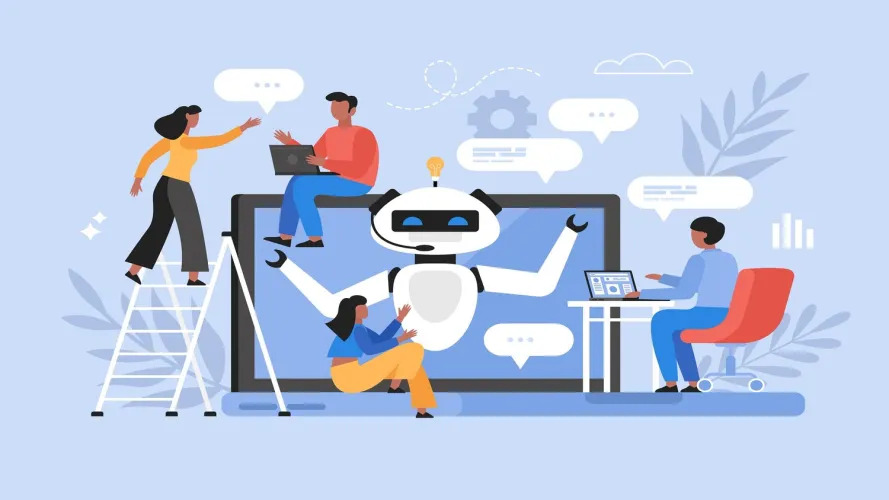
The Rise of AI Literacy: A Core Skill for the European Workforce
Artificial Intelligence is rapidly transforming the way businesses operate, creating new opportunities and redefining skill requirements across industries. From healthcare and finance to manufacturing and education, AI-powered tools are becoming an integral part of everyday work. As a result, AI literacy, the ability to understand, use and critically evaluate AI technologies, is emerging as a fundamental competency for professionals throughout Europe. Beyond technical expertise, AI literacy enables individuals to make informed decisions, collaborate effectively with intelligent systems and adapt to an increasingly digital workplace.
The European Union has recognized the importance of digital and AI-related skills in supporting economic growth and competitiveness. Through various initiatives and funding programs, efforts are being made to equip workers, students, and entrepreneurs with the knowledge needed to navigate the evolving technological landscape. Organizations are also investing in training and upskilling programs that help employees understand the opportunities and limitations of AI, fostering a culture of innovation while promoting the responsible and ethical use of emerging technologies.
As AI adoption continues to accelerate, lifelong learning will play a crucial role in ensuring workforce resilience and employability. Professionals who develop AI literacy today will be better positioned to adapt to future workplace demands, identify new career opportunities and contribute to digital transformation initiatives within their organizations. Building AI competence is no longer a niche requirement, it is becoming a core skill that will help shape a more inclusive, innovative and competitive European workforce in the years ahead.