novelgroup.lu

Categories
News

Behind the Seams: The Ecological Impact of Fast Fashion

Behind the Seams: The Ecological Impact of Fast Fashion

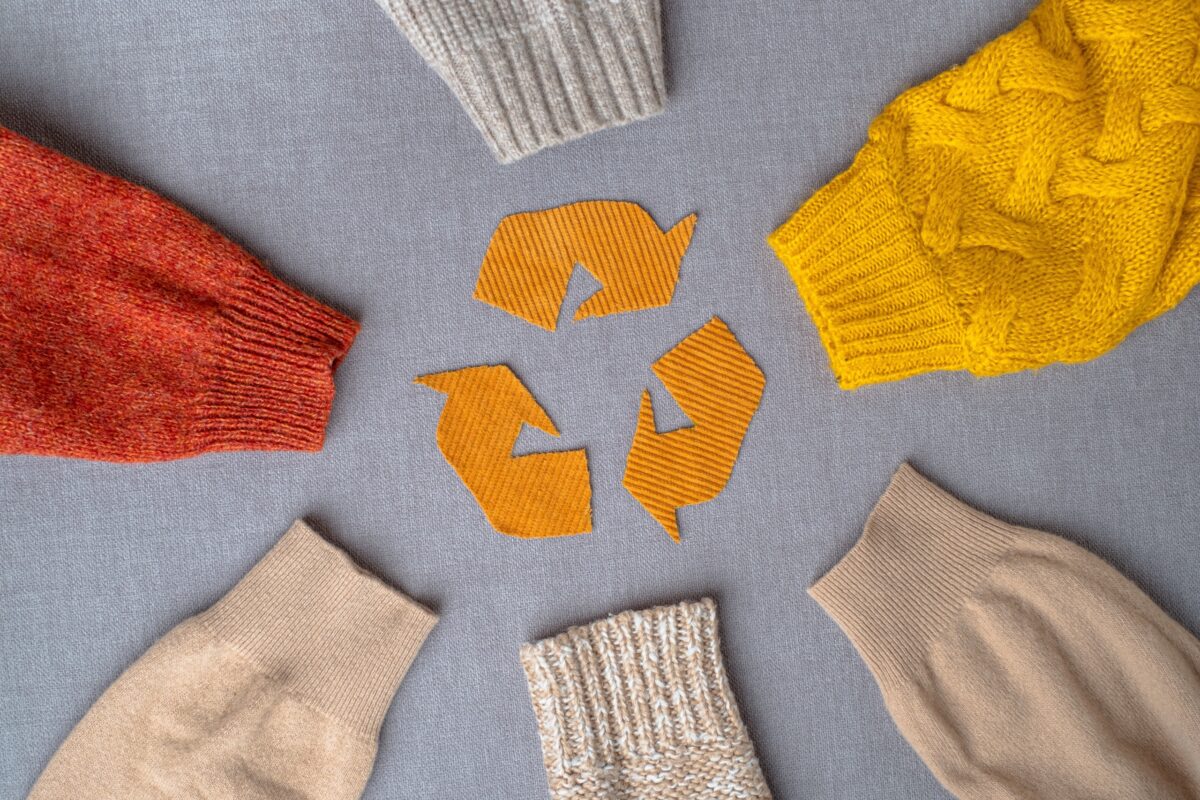
The modern fashion industry thrives on speed and volume. Fast fashion—characterized by rapidly produced, low-cost clothing inspired by the latest trends—has reshaped consumer behavior around the world. While it offers affordability and variety, the environmental costs are deeply concerning. The impact of fast fashion on the planet is severe, affecting ecosystems, contributing to climate change, and promoting unsustainable consumption patterns.

One of the most damaging effects of fast fashion is the overproduction of clothing. Brands release new collections every few weeks, encouraging consumers to continuously buy more. This cycle leads to massive amounts of clothing being discarded. In fact, it’s estimated that the average consumer throws away over 30 kilograms of clothing each year. Much of this ends up in landfills, where synthetic fabrics like polyester may take hundreds of years to break down, releasing greenhouse gases such as methane in the process. Fast fashion also places intense pressure on natural resources. The production of textiles requires vast amounts of water, energy, and land. Cotton, for example, is a water-intensive crop; producing one t-shirt can require over 2,000 liters of water. Meanwhile, synthetic materials, though less water-reliant, are petroleum-based and contribute to fossil fuel depletion. Additionally, dyeing processes pollute rivers and streams with hazardous chemicals, endangering aquatic life and the health of nearby communities. Carbon emissions from the fashion industry are another serious problem. From manufacturing to global distribution, the journey of a single garment involves extensive transportation and energy use. Factories often rely on coal-powered electricity, especially in regions with cheap labour and weak environmental regulations. These practices collectively make the fashion industry one of the top five contributors to global carbon emissions.

Beyond pollution and emissions, the environmental harm of fast fashion is tied to a culture of disposability. Clothes are designed to be worn only a few times before being thrown away. This mindset not only fuels waste but also disconnects consumers from the environmental impact of their purchases. The psychological detachment between product and planet is one of fast fashion’s most damaging legacies.Thankfully, alternatives are emerging. Sustainable fashion movements promote slower, more mindful consumption. Thrift shopping, clothing swaps, rental services, and support for ethical brands are gaining popularity. Education and awareness are key: when consumers understand the impact of their choices, they are more likely to demand accountability and sustainability from the industry.

In summary, while fast fashion may satisfy our desire for low-cost style, it comes at a high environmental price. It generates waste, drains resources, pollutes ecosystems, and drives climate change. To secure a livable future, we must shift away from this throwaway culture and embrace more conscious, sustainable fashion choices.


Uncover your skills.

Contact Us

+352671159001

info@novelgroup.lu

Rue de Bastogne 12, L-1217 Luxembourg

Categories
News

Social Media and Adolescents: Influence on Studies and Career Choices — A Trend or a New Opportunity?

Social Media and Adolescents: Influence on Studies and Career Choices — A Trend or a New Opportunity?

Social networks have become part of daily routines for adolescents in the modern online world. Instagram, TikTok, YouTube, and Snapchat are not just communication tools — they shape attitudes, habits, dreams, and even educational and professional choices. As digital natives navigate their teenage years, the impact of social media on their academic focus and career orientation is becoming more significant than ever.


Social media can serve as a powerful educational tool. With access to inspirational content, online communities, and informative videos, students are exposed to a wide range of professions, vocational paths, and learning opportunities. Many young people discover career interests through creators who share their daily work life, behind-the-scenes insights, or skill-building journeys. Whether it’s a graphic designer sharing digital artwork or a technician showcasing smart home installations, these digital stories often spark curiosity and ambition in adolescents exploring their options. However, this influence comes with a double edge. The constant exposure to idealized lifestyles and curated success stories can lead to unrealistic expectations. Adolescents might prioritize online fame over skill development, assuming that becoming an influencer is a fast track to wealth and freedom. As a result, some may neglect academic responsibilities or vocational preparation, thinking that traditional careers are less attractive or rewarding. It’s essential to recognize that being an influencer has, in many ways, evolved into a legitimate career path. The influencer marketing industry is projected to be worth billions globally, creating demand for skills such as content creation, branding, communication, analytics, and digital marketing. For students in VET programs, this could open up innovative career pathways in areas like media production, photography, social media management, and personal branding. The key lies in understanding that successful influencers are often skilled professionals who apply a mix of creativity, strategy, and consistency — not just luck or charisma. Vocational education can play a crucial role in bridging the gap between fascination and profession. By integrating digital media literacy and entrepreneurship into the curriculum, VET institutions can help students critically assess online content, set realistic goals, and explore careers in the digital economy. Rather than discouraging interest in social media, educators can guide learners toward acquiring the right tools to pursue it responsibly and sustainably — whether as a profession or as a supplementary skill. Moreover, the power of influencers can also positively shape study motivation. When content creators talk about the value of hard work, lifelong learning, or overcoming failure, they can inspire adolescents to stay focused and believe in their potential. These digital role models, when authentic and value-driven, can contribute to shaping a more informed, confident, and goal-oriented generation.


In conclusion, social media is neither inherently good nor bad — it’s a reflection of how it’s used. For adolescents, it can either distract or inspire, mislead or inform. As the line between entertainment and profession continues to blur, it is the responsibility of educators, parents, and institutions to help young people navigate this landscape wisely. Influencing may be a trend — but with the right mindset and training, it can also become a new-age profession rooted in real skills and opportunities.

Uncover your skills.

Contact Us

+352671159001

info@novelgroup.lu

Rue de Bastogne 12, L-1217 Luxembourg