
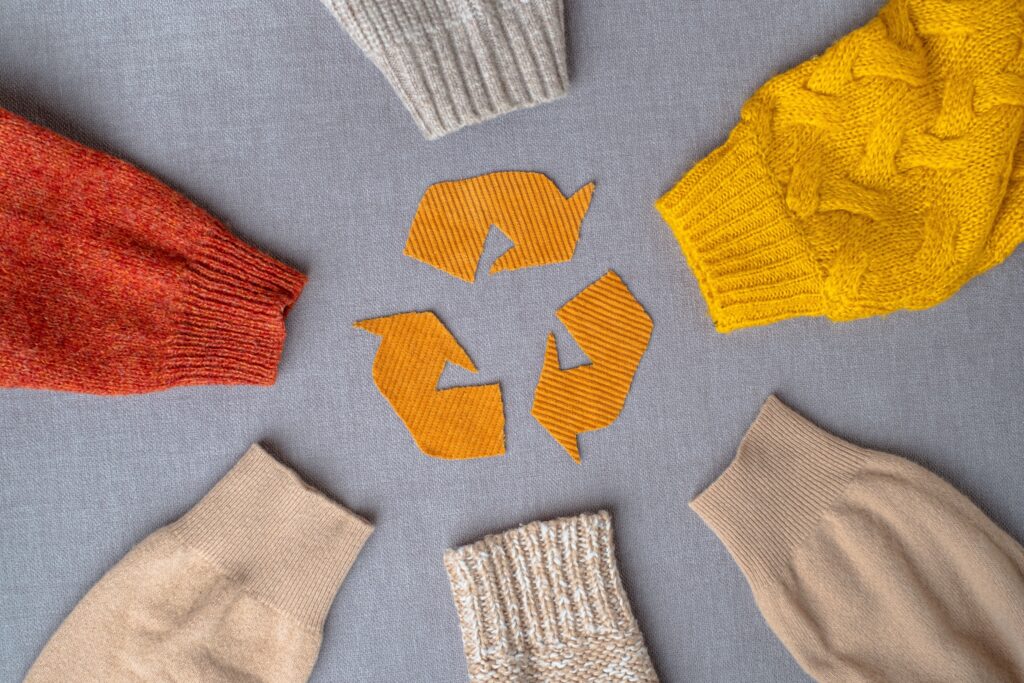
Behind the Seams: The Ecological Impact of Fast Fashion
The modern fashion industry thrives on speed and volume. Fast fashion—characterized by rapidly produced, low-cost clothing inspired by the latest trends—has reshaped consumer behavior around the world. While it offers affordability and variety, the environmental costs are deeply concerning. The impact of fast fashion on the planet is severe, affecting ecosystems, contributing to climate change, and promoting unsustainable consumption patterns.
One of the most damaging effects of fast fashion is the overproduction of clothing. Brands release new collections every few weeks, encouraging consumers to continuously buy more. This cycle leads to massive amounts of clothing being discarded. In fact, it’s estimated that the average consumer throws away over 30 kilograms of clothing each year. Much of this ends up in landfills, where synthetic fabrics like polyester may take hundreds of years to break down, releasing greenhouse gases such as methane in the process. Fast fashion also places intense pressure on natural resources. The production of textiles requires vast amounts of water, energy, and land. Cotton, for example, is a water-intensive crop; producing one t-shirt can require over 2,000 liters of water. Meanwhile, synthetic materials, though less water-reliant, are petroleum-based and contribute to fossil fuel depletion. Additionally, dyeing processes pollute rivers and streams with hazardous chemicals, endangering aquatic life and the health of nearby communities. Carbon emissions from the fashion industry are another serious problem. From manufacturing to global distribution, the journey of a single garment involves extensive transportation and energy use. Factories often rely on coal-powered electricity, especially in regions with cheap labour and weak environmental regulations. These practices collectively make the fashion industry one of the top five contributors to global carbon emissions.
Beyond pollution and emissions, the environmental harm of fast fashion is tied to a culture of disposability. Clothes are designed to be worn only a few times before being thrown away. This mindset not only fuels waste but also disconnects consumers from the environmental impact of their purchases. The psychological detachment between product and planet is one of fast fashion’s most damaging legacies.Thankfully, alternatives are emerging. Sustainable fashion movements promote slower, more mindful consumption. Thrift shopping, clothing swaps, rental services, and support for ethical brands are gaining popularity. Education and awareness are key: when consumers understand the impact of their choices, they are more likely to demand accountability and sustainability from the industry.
In summary, while fast fashion may satisfy our desire for low-cost style, it comes at a high environmental price. It generates waste, drains resources, pollutes ecosystems, and drives climate change. To secure a livable future, we must shift away from this throwaway culture and embrace more conscious, sustainable fashion choices.
Uncover your skills.
Contact Us
+352671159001
info@novelgroup.lu
Rue de Bastogne 12, L-1217 Luxembourg
About Us
Menu