
novelgroup.lu

Categories
News

Eliminating Unemployment in Luxembourg Through Education

Eliminating Unemployment in Luxembourg Through Education

Luxembourg, boasts a strong economy and very high living standards. However, like every other country, it has certain jobs problems. While Luxembourg’s jobless rate is relatively low compared to the EU average, certain groups like recent graduates, unskilled workers, and individuals changing careers are still finding it hard to land stable employment. An education and training strategy can be a powerful tool to combat unemployment and ensure long-term economic growth. Education is among the key drivers of employment. In Luxembourg, it is crucial to enhance the link between education and the labor market to ensure that job seekers acquire the skills the industries require. Different targeted educational strategies can fill the skills gap and reduce unemployment. One of them is strengthening vocational education and training (VET). Vocational training schemes are linked with practice skills that directly correspond to business needs. Strengthening VET schools and better coordination among enterprises and training organizations can provide a seamless pathway from education to employment. Luxembourg has already gone a long way in making vocational training an integral part of its education system, but strengthening these schemes can reduce youth unemployment and underemployment further.

Upskilling and reskilling towards career change is another critical initiative. With the accelerating rate of changes in businesses due to digitalization and the green economy revolution, employees require lifelong learning. Different government programs and initiatives promoting lifelong learning and enabling training camps, online education, and industry-recognized certification and licenses can prevent employees from becoming long-term unemployed. Relations between higher learning institutions and business need to improve as well. Universities and research institutes have to collaborate closely with businesses to ensure that curricula are aligned with industry demand. Encouraging internships, apprenticeships, and work-study programs can enhance graduates’ employability and reduce the skills gap between education and labour market needs.

As Luxembourg has set its sights on becoming a digital innovation and sustainability champion, encouraging digital and green skills development is essential. Employees should be trained with the competences needed to thrive in this sector. Through the inclusion of coding, data analysis, and sustainability modules in school and university education, the country is able to build a workforce capable of addressing the growing demands of the digital and green economies. Furthermore, entrepreneurship funding and innovation can be a key contributory factor to overcoming unemployment. Fostering entrepreneurship education can allow individuals to create their own employment opportunities rather than expecting employment in existent businesses. Granting financial incentives, mentorship programs, and startup incubators can create a thriving entrepreneurial economy.

To effectively eliminate unemployment, Luxembourg needs to continue investing in responsive and inclusive education policies. Coordination with government departments, schools, and private enterprises is vital in making education remain relevant and responsive to shifts in the labor market. In adopting a visionary learning and training strategy, Luxembourg can build a robust workforce, reduce unemployment, and ensure long-term sustained prosperity.

Uncover your skills.

Contact Us

+352671159001

info@novelgroup.lu

Rue de Bastogne 12, L-1217 Luxembourg

Categories
News

Bridging Tradition and Innovation: Crafting Luxembourg’s Green Workforce of Tomorrow

Bridging Tradition and Innovation: Crafting Luxembourg’s Green Workforce of Tomorrow

Luxembourg stands at Europe’s crossroads, blending a rich tradition with innovation. From the rolling countryside to the pulsating financial center, every new development is attuned to changing global circumstances while keeping deep respect for the deeply rooted traditions of this country. Today, in Luxembourg, the vocational education and training institutions lead the way toward the green and sustainable future that the next generation will have to cope with.

While sustainability and the green economy are a frontier in Europe, Luxembourg embedded its approach into innovative and very localized training programs. VET schools are upgrading their curriculum to include sustainability and digital tools in very traditional industries: construction, agriculture, hospitality. This is a reflection of both a core cultural value for environmental stewardship and a commitment to the goals of European sustainability expressed under the Green Deal.

For example, in Luxembourg’s construction sector, historic architecture conservation is among the key focal areas. VET students are also learning to effectively apply BIM in the restoration of historic sites while keeping these sites energy efficient without sacrificing the cultural value that such buildings bring about. Equally, learners specializing in agriculture-a vital cog for most countryside communities-are acquiring training on how to perform farming in an environmentally friendly way, merging know-how from over the generations with sophisticated approaches, including precision farming and integrating renewable energy.

It’s also greening up in the field of hospitality within Luxembourg. More emphasis is placed on locally sourced and in-season ingredients as part of culinary arts programs, which reflects a greater societal push to reduce both food miles and waste. Such initiatives not only reduce the carbon footprint of the sector but also reinforce Luxembourg’s high-quality sustainable cuisine, attracting locals and visitors alike.

What makes those efforts particularly impactful is the focus on cross-border collaboration. Thanks to programs like Erasmus+, VET students and trainers share their knowledge with European peers, learning about sustainable practices across the continent while sharing Luxembourg’s own experiences. Such partnerships create a dynamic flow of ideas that strengthen the entire vocational ecosystem.


Luxemburg’s VET institutions are much more than places of learning-innovation hubs between tradition and modern-day sustainability. With such a green workforce, the future belongs to them to shape: respectful of the past and of the planet, in continuous adaptation to the changes brought about by climate change and digital transformation.

Uncover your skills.

Contact Us

+352671159001

info@novelgroup.lu

Rue de Bastogne 12, L-1217 Luxembourg

Categories
News

Luxembourg: A Rising Star in Alternative Cultural Tourism

Luxembourg: A Rising Star in Alternative Cultural Tourism

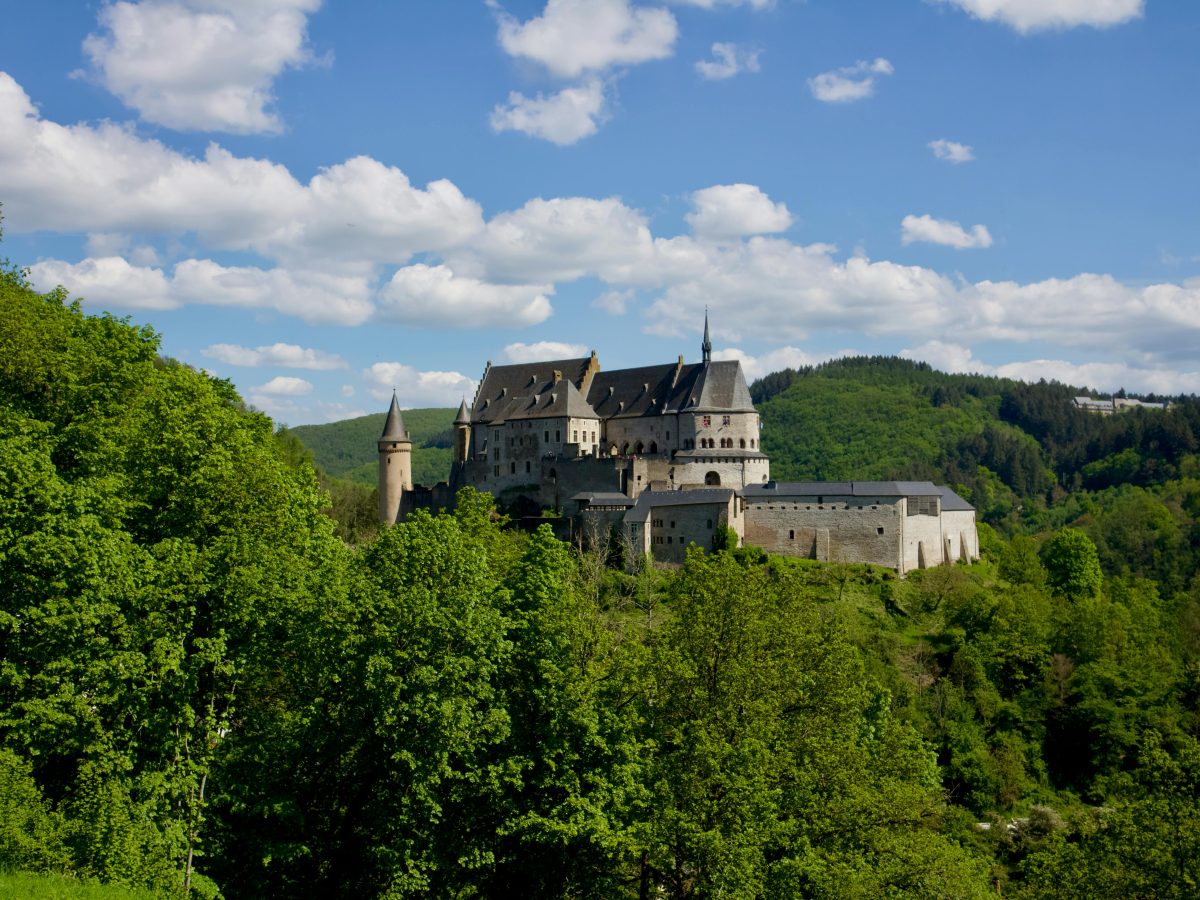
Luxemburg, with its medieval charm and picturesque landscapes, is fast developing as a center for alternative cultural tourism. Besides historic castles, also embraces contemporary art, alternative festivals, and recent history as a means of showing how a small country can answer the needs of modern cultural travelers while retaining its unique character.

One of the most outstanding examples of Luxembourg’s cultural innovation is the MUDAM (Musée d’Art Moderne Grand-Duc Jean), designed by the famous architect I.M. Pei. This museum has turned out to be one of the keystones in the country’s attempt to appeal to a world audience. Dynamic exhibitions of international and local artists have been shown, in which the government has invested in placing MUDAM as a platform for discussion of global issues such as sustainability and diversity. The Casino Luxembourg-Forum d’Art Contemporain acts as an incubator of creativity, with experimental installations and workshops of art that also captivate residents and visitors alike.

Festivals form part of the cultural appeal of Luxembourg. For instance, the Koll an Aktioun Festival in Esch-sur-Alzette has used former industrial sites to host events, demonstrating how industrial heritage can be transformed into vibrant creative spaces. This is in line with the general policy of the government to turn historic landmarks and industrial areas into tourist attractions. By combining historical preservation with cultural innovation, Luxembourg creates tourism while showing respect for its roots.

Luxembourg thoughtfully interlaces its recent history with cultural offerings: former industrial sites such as the Minett Park Fonds-de-Gras and blast furnaces in Belval continue to immerse visitors in fascinating ways, testifying to its steel and mining heritage. Guided tours, heritage trains, and exhibitions show how Luxembourg has turned to a modern economy that is even more sustainable today.

The government’s strategic development towards cultural tourism draws inspiration from the likes of Amsterdam, which has utilized both recent history and innovation for the development of niche travelers. Combining contemporary art, interactive festivals, and historical transformation, Luxembourg appeals not only to tourists but also solidifies its position as a forward-thinking cultural destination.

For culture enthusiasts, Luxembourg offers an intimate and vibrant experience. Through its art, festivals, and history, it showcases a unique charm that captivates and inspires.

Uncover your skills.

Contact Us

+352671159001

info@novelgroup.lu

Rue de Bastogne 12, L-1217 Luxembourg

Categories
News

Sustainable Threads: Educating for a Greener Fashion Future

Sustainable Threads: Educating for a Greener Fashion Future

The fashion industry is often praised for its creativity and innovation, yet beneath its glossy veneer lies an environmental cost that is difficult to ignore. The global demand for fast fashion has driven the industry to become one of the largest polluters in the world. From water-intensive cotton production to carbon emissions, from manufacturing garments, and from mountains of waste created by discarded clothing, the footprint is immense. This is both a challenge and a responsibility that need to be taken seriously if individuals, businesses, and institutions are to act upon this pressing issue.

The fashion impact on the environment is multifaceted. It accounts for 10% of all global carbon emissions, more than what international flights and maritime shipping combined produce. Further, textile dyeing is the second-biggest polluter of water in the world; untreated toxic wastewater is normally dumped directly into rivers and seas, thus affecting aquatic ecosystems and human constituencies.

The problem is further compounded by the manufacture of synthetic fabrics, such as polyester, widely utilized in fast fashion production. When polyester is manufactured, it contributes to pollution in water bodies by releasing microplastics. Regularly, these microplastics enter the food chain, posing health risks to marine life and even humans. Besides the fast fashion cycle of quick turnover and disposable trends, about 92 million tons of textile waste result annually, most of which are buried in landfills.

Education is the answer to reducing the footprint of fashion. Awareness of sustainable practices adopted by the fashion industry will help drive effective change. Education empowers consumers, designers, and policymakers to make better choices and adopt sustainable behaviors. About consumers, education may instill a transformation from the “buy-and-discard” attitude to a more conscious one. Education on the lifecycle of garments and the environmental costs of fast fashion can encourage consumers to buy less, invest in higher-quality items, and take up practices like upcycling and recycling. Awareness campaigns and workshops can also play an important role in this respect. Because specialized education in sustainable design and production methods is important for fashion designers and industry professionals alike. Therefore, programs focusing on eco-friendly materials, zero-waste patterns, and innovative technologies such as 3D printing and biodegradable textiles are shaping the next generation of creators. These initiatives thus arm the professionals with the ability to make choices that are sustainable without sacrificing creativity or functionality.

The academic and vocational training institutions can do a lot to help this movement. They train students for the task of environmental problem-solving through incorporating sustainability into various curricula. Initiatives such as “Green Fashion Labs” and certification courses in sustainable textile management acquaint professionals with hands-on skills and tools that can be used to reduce carbon emissions by the industry.

To conclude, transition to a sustainable fashion industry is a collective effort that begins with awareness and education. Governments, businesses, and educators must collaborate to create policies, platforms, and programs that prioritize environmental stewardship. The future of the fashion industry depends on a shared commitment to sustainability. We have the opportunity through education to develop a new generation of fashion leaders and consumers alike who are conscious of the choices they make in light of their impact on the world. Together, we can create a more sustainable, environmentally conscious fashion industry.

Uncover your skills.

Contact Us

+352671159001

info@novelgroup.lu

Rue de Bastogne 12, L-1217 Luxembourg

Categories
News

Climate Change in Luxembourg: Challenges and Opportunities

Climate Change in Luxembourg: Challenges and Opportunities

As climate change intensifies globally, Luxembourg – even though a small country in the very heart of Europe – does not get away without its impacts. Rising temperatures, increased rainfall, and more extreme weather events are pushing a reshaping of the nation’s climate landscape to fronts that require urgent action. As the country is highly urbanized and advanced economically, this special position evokes both challenges and opportunities. 

Urbanization contributes to the effects of the heat island and, hence, land use changes threaten biodiversity. The transport sector relies heavily on fossil fuels and is an important source of greenhouse gas emissions in Luxembourg. Changes in rainfall patterns affect agriculture, water resources, and the increasing threat of flooding. Due to these, Luxembourg has adopted some ambitious attitudes vis-à-vis climate change. Through the NECP, it describes the pathway to carbon neutrality by 2050. The main measures involve increasing the renewable energy share, energy efficiency, and sustainable mobility. The surprise move to introduce free public transport by Luxembourg has hit headlines of late, with the aim of reducing reliance on private cars and, subsequently, lowering emissions. Efforts are also on to develop green technology and innovation. Investments in wind and solar energy are accelerating, and the government is encouraging financial incentives for energy-efficient buildings. In addition, Luxembourg has embraced biodiversity protection by declaring nature preserves and restoring ecosystems to make the country more resilient to the climate. Despite this progress, however, problems persist. As member of the European Union has to meet stringent climate goals. If policy implementation is strong, so too does public engagement need to be. Encouragement of eco-friendly habits among citizens and reduction of consumption-based emissions are some of the keys to long-term success.

 The role of Luxembourg in climate action goes beyond the borders. Being a green finance hub, the country is using its financial sector to grant facility for sustainable projects across the world. These efforts underpin how Luxembourg can lead by example in the quest to address the climate crisis. The path to the future requires concerted efforts. It will involve policy makers, businesses, and individuals in efforts that must guarantee a sustainable future for Luxembourg through embracing innovation and fostering a culture of environmental responsibility. In this way, the country can turn its climate challenges into opportunities toward a greener, more resilient tomorrow.

Uncover your skills.

Contact Us

+352671159001

info@novelgroup.lu

Rue de Bastogne 12, L-1217 Luxembourg

Categories
News

4th everGREEN Newsletter

The 4th newsletter of END GBV in VET is out!

Our 4th and final everGREEN Newsletter is now available. You can find it here.

Uncover your skills.

Contact Us

+352671159001

info@novelgroup.lu

Rue de Bastogne 12, L-1217 Luxembourg

Categories
News

Discover Novel Group: IT Consulting & Vocational Training Excellence

Discover Novel Group: IT Consulting & Vocational Training Excellence

Uncover your skills.

Contact Us

+352671159001

info@novelgroup.lu

Rue de Bastogne 12, L-1217 Luxembourg

Categories
News

3rd everGREEN Newsletter

The 3rd newsletter of END GBV in VET is out!

Our 3rd everGREEN Newsletter is now available. You can find it here.

Uncover your skills.

Contact Us

+352671159001

info@novelgroup.lu

Rue de Bastogne 12, L-1217 Luxembourg

Categories
News

DigiBuild 2nd TPM

DigiBuild 2nd TPM

On November 14th, the DigiBuild project team will gather for a dynamic day of presentations, discussions, and collaborative sessions to drive progress on our shared vision for a sustainable, digital future in the green sector. The meeting will feature contributions from key stakeholders, including DEFOIN, ThinkCorp, FHIA, and EUROTraining, each presenting on various project aspects.

Highlights of the day include:

  • WP2 Overview: A comprehensive review of the status of work and the upcoming steps for WP2, led by ThinkCorp and FHIA.
  • D2.3 Upgraded Green Sector Needs Analysis: FHIA will present the latest developments and finalization steps in the upgraded digital needs analysis, with contributions from all team members.
  • D2.4 Handbook Development: ThinkCorp and all participants will dive into the structure and initial organization for D2.4, setting a solid foundation for future progress.
  • WP3 Strategy Session: EUROTraining will lead an engaging session to discuss WP3 and gather insights on achieving project objectives.

In addition to these presentations, there will be opportunities for informal networking during lunch, a coffee break, and a social dinner to cap off the day.

Stay updated on DigiBuild’s progress and our commitment to transforming the green sector through digital innovation by visiting our website: https://digi-build.eu/

Uncover your skills.

Contact Us

+352671159001

info@novelgroup.lu

Rue de Bastogne 12, L-1217 Luxembourg

Categories
News

The Job Market in Luxembourg: High-Demand Jobs and Key Opportunities

The Job Market in Luxembourg: High-Demand Jobs and Key Opportunities

With a powerful financial sector and geostrategic position in the heart of Europe, Luxembourg has a strong economy with a very active job market. Being one of the richest countries in the world naturally attracts working professionals from all over the world. However, some fields in Luxembourg are most in demand when talking about skilled labor and thus give great perspectives in building a career in this country.
Given the position of Luxembourg as one of the key financial centers in the world, finance and accounting professionals are in demand. Major banking institutions, investment funds, and multinational corporations ensure a good supply of accountants, auditors, financial analysts, and compliance officers. Risk management and fin-tech are also fast-developing fields, as financial institutions use digital means more and more in an effort to keep their services effective and at the same time maintain their positions from a regulatory perspective.
While Luxembourg goes through the transformation to a truly digital state, IT professionals are in great demand, particularly in cybersecurity. The government’s efforts to improve digital infrastructure and position Luxembourg as one of the leaders in modern digital technologies have developed an increased demand for such specialties as software developers, network engineers, and data scientists. The rise in cyber threats all around the world has also grown the demand for cybersecurity experts while companies and institutions seek to protect data and make digital systems secure.
Qualified personnel shortage has created a critical shortage in the healthcare sector. For instance, there is an urgent need for doctors, nurses, and specialists in medicine. With the aging of the population and the extension of services, specialists in elderly care, medical research, and public health management become more in demand. The conditions in which professionals in the healthcare sector are employed in Luxembourg include competitive salaries and modern health facilities. This, therefore, makes the sector significant in job-seeking.
Moreover, Luxembourg is committed to sustainability and the green transition, aligning with EU goals for reducing carbon emissions. Jobs in renewable energy, environmental management, and sustainable construction are growing rapidly. Engineers specializing in wind and solar energy, sustainability consultants, and professionals in green building technologies are needed to meet the country’s ambitious climate targets.
Also, the complicated regulatory environment in cross-border finance and corporate law contributes substantially to the high demand for high-quality lawyers and tax consultants in Luxembourg. Since companies are trying to understand better how to work with the regulations set forth by the European Union, as well as the special features of the financial environment that have been established in Luxembourg, there is ongoing demand for international tax law, corporate law, and regulation compliance.
In other words, the Luxembourg labor market is both highly competitive and diverse, where job opportunities are concentrated within the finance, IT, healthcare, and renewable energy sectors. For those who have the required competence, a career in Luxembourg promises a future full of opportunities-from a dynamic financial sector to new fields opened by forces of digital transformation and sustainable development.

Uncover your skills.

Contact Us

+352671159001

info@novelgroup.lu

Rue de Bastogne 12, L-1217 Luxembourg