novelgroup.lu

Categories
News

Invitation to join EverGREEN Event – Greening VET Sector

Invitation to join EverGREEN Event – Greening VET Sector

Vocational Education and Training (VET) plays a crucial role in shaping the workforce of tomorrow. With nearly half of all upper secondary students now opting for vocational pathways, VET is uniquely positioned to drive change and meet the emerging demands of the green and digital transitions. Through the everGREEN_In project, we are focusing on integrating green skills into VET, enabling institutions to foster sustainable practices and meet evolving labor market needs.

Our project aims to build a foundation for greener learning in VET institutions, enhancing employability, fostering sustainable lifestyles, and supporting the growth of eco-conscious communities. We believe that “greening” VET will not only elevate workforce readiness but also help create a positive environmental impact.

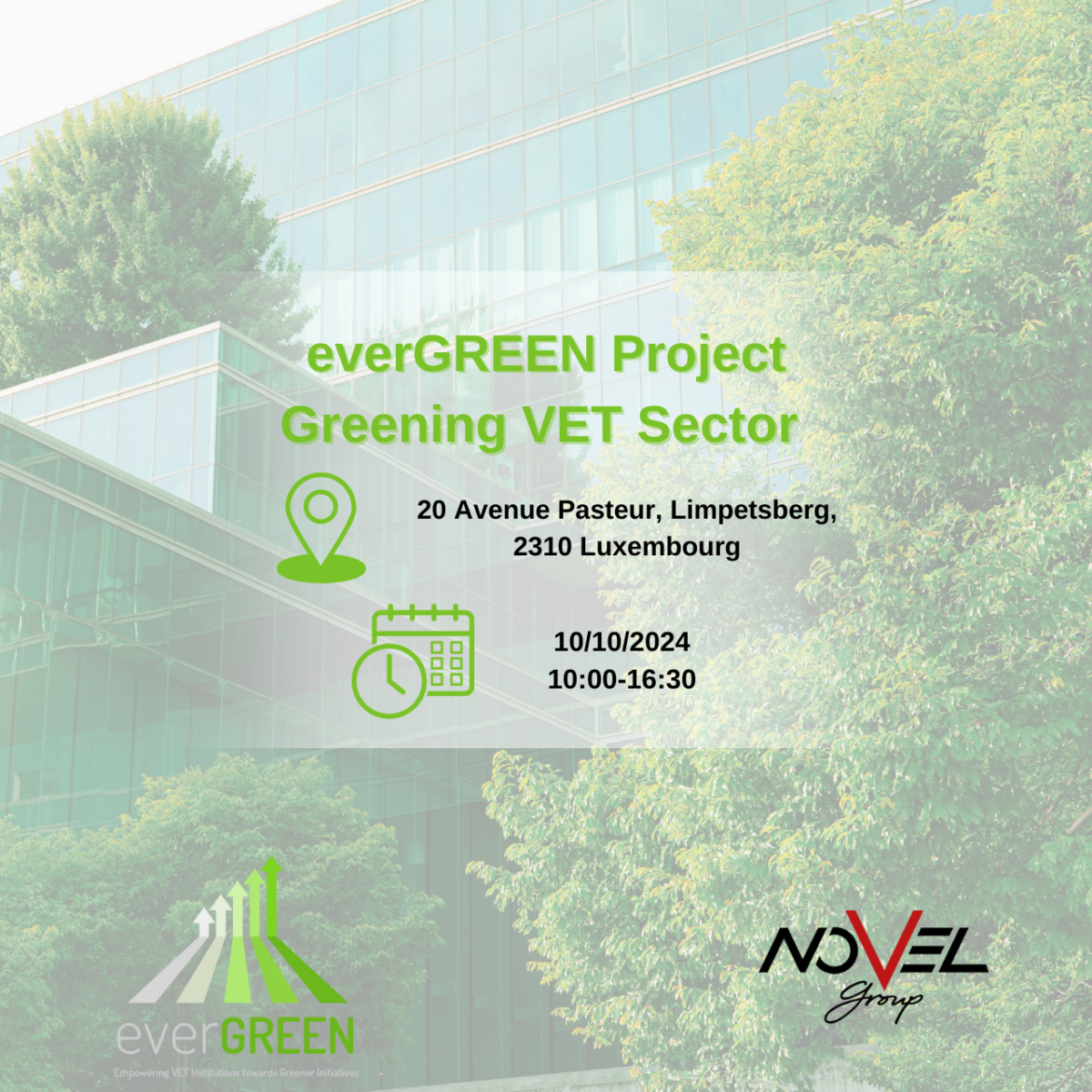
We are excited to invite you to a special event dedicated to presenting the objectives, significance, and achievements of our project, “everGREEN – Greening VET Sector”. This event will be held on October 10, 2024, at Rue de Bastogne 12, L-1217 Luxembourg.

You can find the programme and invitation here

Uncover your skills.

Contact Us

+352671159001

info@novelgroup.lu

Rue de Bastogne 12, L-1217 Luxembourg

Categories
News

Technology and Disaster Risk Reduction: The Role of Novel Group in geoDRR

Technology and Disaster Risk Reduction: The Role of Novel Group in geoDRR

Climate change means that natural disasters strike more frequently and with great force; thus, disaster risk management urgently needs both skilled professionals and advanced technologies. The geoDRR project therefore represents an EU-funded Erasmus+ response to this challenge through the development of an innovative postgraduate curriculum in geomatics for disaster risk reduction. Novel Group takes pride in the fact that this intervention has been given its key role, especially in the integration of technology and dissemination of knowledge towards project success.

Development of novel technology for disaster preparedness: Under the geoDRR project, Novel Group is responsible for leading development and implementation of a VLE to become an interactive platform for the realisation of giving students practical skills concerning dealing with disaster risks.

This digital infrastructure of the new technology will now make this geoDRR programme available to a wide range of students across Southeast Asia. The VLE removes geographical boundaries so that students in disaster-prone areas can access and work with tools and technologies at the bleeding edge, regardless of their physical location within the country. Knowledge Transfer

Novel Group believes in the power of sharing knowledge. In the geoDRR project, our role goes beyond technology to include transferring knowledge across borders. We will make sure that whatever knowledge is developed in the process of the project, along with best practices, gets out and is widely disseminated through workshops and conferences, along with various dissemination activities.

We assist in the coordination of knowledge exchange between the European and South East Asian partners to ensure that the curriculum is globally up-to-date yet locally relevant. Such collaboration will be needed to make the MSc programme relevant to particular challenges the region faces, such as typhoons, earthquakes, and other climate-related disasters.

Novel Group is trying to use knowledge in technology and training as an endeavor to contribute towards disaster risk reduction. The geoDRR project should rightly use international collaboration and state-of-the-art tools for developing the next generation of professionals who are able to address the rising threats posed by climate change.

Uncover your skills.

Contact Us

+352671159001

info@novelgroup.lu

Rue de Bastogne 12, L-1217 Luxembourg

Categories
News

Erasmus Days 2024: Luxembourg Joins in the Celebration!

Erasmus Days 2024: Luxembourg Joins in the Celebration!

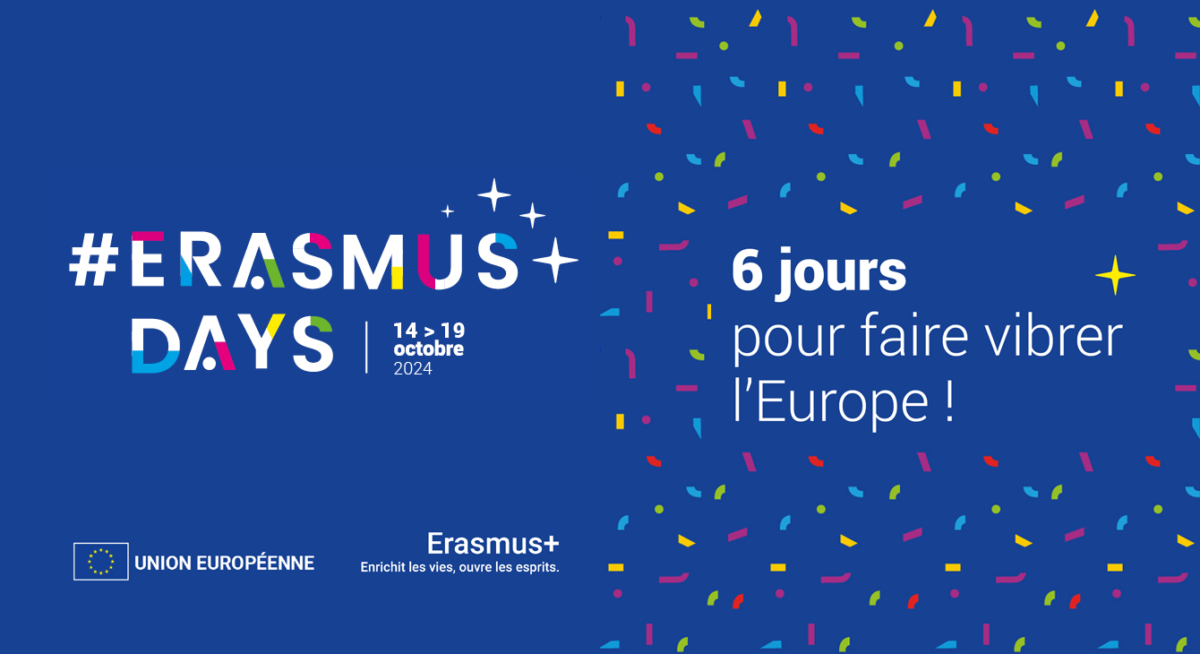
From the 14th to the 19th of October, Luxembourg will shine bright, thanks to the #ErasmusDays! From seminars and language sessions over cultural exhibitions to creative social media challenges-something for every taste to celebrate the diverse impacts of Erasmus+. Whether you are an Erasmus+ beneficiary or just an inquisitive mind ready to learn, this is your time to connect, share stories, and experience the spirit of intercultural exchange right here in Luxembourg. More than 9.000 events! More than 50 countries! 

Join the movement and make Luxembourg part of the biggest Erasmus+ party in Europe!

Stay tuned for updates: #ErasmusDays and join the celebration in Luxembourg!

Uncover your skills.

Contact Us

+352671159001

info@novelgroup.lu

Rue de Bastogne 12, L-1217 Luxembourg

Categories
News

Luxembourg’s Festival Scene: A Key Driver for Tourism Development

Luxembourg’s Festival Scene: A Key Driver for Tourism Development

Festivals and cultural activities have become an essential part of Luxembourg’s tourism strategy, drawing visitors from around the world. These events showcase the country’s rich heritage, contemporary art scene, and diverse communities, serving as an effective tool to boost tourism. But how exactly can festivals and cultural activities be used to increase tourism in Luxembourg?

Luxembourg is a country with a unique blend of French, German, and Luxembourgish influences. Its rich history and cultural heritage are evident in the architecture, traditions, and art found throughout the country. By organizing festivals and cultural activities that celebrate these influences, Luxembourg can distinguish itself from other European destinations. Events such as the Echternach Dancing Procession, a UNESCO Intangible Cultural Heritage, and the Schueberfouer fair, with its origins dating back to 1340, highlight the country’s deep-rooted traditions and can attract tourists eager to experience something distinctive and authentic.

One of the challenges many countries face is the seasonality of tourism. Luxembourg’s festival calendar helps to combat this by offering events year-round. For example, the Winterlights Festival transforms Luxembourg City into a magical holiday wonderland, attracting tourists during the slower winter months. Similarly, the Summer in the City festival is a dynamic, citywide celebration of music, art, and culture, drawing large crowds during the summer season. By hosting events throughout the year, Luxembourg ensures a steady stream of visitors regardless of the season, keeping tourism figures strong even in traditionally quieter months. Festivals and cultural events are more than just entertaining experiences; they are a gateway to showcasing other aspects of Luxembourg’s tourism offerings. Events such as the Luxembourg Art Week and Rotondes’ Congés Annulés music festival not only highlight local talent but also serve as platforms to promote Luxembourg’s culinary scene, local artisans, and scenic landscapes. Tourists who come for a festival may end up extending their stay to explore the country’s castles, vineyards, and hiking trails. In this way, festivals act as catalysts, enticing visitors to discover more about Luxembourg and its hidden gems.

 Luxembourg is already gaining international recognition for its cultural landscape. The Luxembourg City Film Festival, one of the most important cinematic events in Europe, and the Rainy Days Contemporary Music Festival are just a few examples of how the country is establishing itself on the global cultural map. By promoting these internationally recognized festivals, Luxembourg can attract niche tourist groups such as film buffs, music lovers, and art enthusiasts. This broadens the country’s tourism appeal, creating new markets beyond traditional leisure tourism. Another important strategy for Luxembourg is collaboration with regional and international partners to host joint festivals and cultural activities. By working with neighboring countries, Luxembourg can position itself as part of a larger cultural circuit, drawing visitors who are exploring multiple destinations. Events like the Greater Region’s European Capital of Culture initiative offer Luxembourg a platform to reach a wider audience, fostering cross-border tourism and strengthening its position as a cultural hub.

 To conclude, festivals and cultural activities are a powerful tool in Luxembourg’s tourism arsenal. By celebrating its unique cultural heritage, creating year-round attractions, expanding the tourism experience beyond traditional sights, leveraging international recognition, and fostering regional collaborations, Luxembourg can significantly increase its appeal to tourists. As the world looks for more meaningful travel experiences, Luxembourg’s vibrant festival scene positions it as an exciting and diverse destination on the European tourism map.

Uncover your skills.

Contact Us

+352671159001

info@novelgroup.lu

Rue de Bastogne 12, L-1217 Luxembourg

Categories
News

The 3rd newsletter of END GBV in VET is out!

The 3rd newsletter of END GBV in VET is out!

The third newsletter of the END GBV in VET project has been released and is now available online! Stay informed with the latest updates on the END GBV in VET initiative, which focuses on establishing a comprehensive service office to support students, educators, school staff, and parents. The goal is to increase awareness and capacity for tackling and preventing Gender-Based Violence within the VET sector.

Uncover your skills.

Contact Us

+352671159001

info@novelgroup.lu

Rue de Bastogne 12, L-1217 Luxembourg

Categories
News

Navigating Educational Challenges: Europe’s Response to Digital and Green Transitions

Navigating Educational Challenges: Europe’s Response to Digital and Green Transitions

As Europe faces a rapidly evolving global landscape, its education systems are being reshaped by two crucial transformations: the digital revolution and the shift toward a sustainable future. Both the European Union and individual countries are working to address these challenges, but they bring with them a host of complexities. The need to embrace digitalization and sustainability in education presents both opportunities and hurdles as governments, educators, and institutions adapt to a new reality.

Digital education has become a central focus for policymakers across Europe, particularly in the aftermath of the COVID-19 pandemic. The rapid transition to online learning exposed significant gaps in access to technology, teacher preparedness, and digital infrastructure. In response, the European Commission launched the Digital Education Action Plan (2021-2027), which seeks to make digital education systems across the continent more effective, inclusive, and innovative. Many countries have already started to implement national strategies to address digital inequalities. France, for example, introduced a “Digital for All” initiative aimed at improving access to technology in schools, particularly in underserved areas. In contrast, countries like Estonia and Finland, long recognized as leaders in digital education, have focused on refining their systems and training teachers in advanced digital educations.

Teacher training remains a pressing issue across Europe. The sudden shift to online teaching during the pandemic exposed gaps in digital skills, especially among older educators who lacked experience with technology. Many countries have since invested in teacher training programs designed to equip educators with the tools and knowledge to use digital platforms effectively. However, the pace of these initiatives varies, and in some regions, progress remains slow. Additionally, Europe faces the challenge of ensuring equitable access to technology. The “digital divide” is a growing concern, particularly in rural areas and economically disadvantaged regions where students may lack access to reliable internet or digital devices. Addressing these disparities is key to ensuring that all students benefit from the digital transformation of education.

Equivalent to the digital transition, European countries are increasingly focusing on the need to integrate sustainability into education. The European Green Deal, which aims to make Europe the world’s first climate-neutral continent by 2050, places education at the heart of this transformation. Schools and universities are seen as essential in preparing young people for the green economy and promoting environmentally responsible practices. Environmental education has already become a key priority in several countries. In Germany, sustainability is now embedded across the national curriculum, with schools incorporating renewable energy projects, waste reduction initiatives, and eco-friendly campus designs. However, challenges remain. Many schools across Europe struggle with funding and resources to implement large-scale green initiatives, such as energy-efficient infrastructure or renewable energy projects. Moreover, there is often a lack of coordination between environmental policies and education systems, leading to inconsistent implementation of sustainability programs across countries. To address these gaps, the European Union has introduced the European Education Area initiative, which includes a focus on sustainability and aims to support member states in integrating green skills and education into their curricula. This initiative reflects the recognition that education plays a critical role in shaping the environmental awareness and skills necessary for Europe’s green transition.

Both digitalization and the shift toward sustainability are closely tied to Europe’s labor market needs. As industries become more reliant on technology and green practices, there is growing demand for workers skilled in areas such as IT, data science, and renewable energy. Education systems must adapt to these changing demands by aligning curricula and training programs with the skills needed for future jobs. Vocational education and training (VET) is playing a crucial role in this regard. The programs are helping to close the skills gap in key sectors, such as smart manufacturing, clean energy, and sustainable agriculture, preparing students for emerging job markets.

As Europe moves forward with these initiatives, it must continue to invest in teacher training, digital infrastructure, and sustainability programs to ensure that all students have the tools and knowledge to thrive in a rapidly changing world. Through coordinated efforts and forward-thinking policies, Europe can lead the way in creating an education system that embraces both the digital age and the green future.

Uncover your skills.

Contact Us

+352671159001

info@novelgroup.lu

Rue de Bastogne 12, L-1217 Luxembourg

Categories
News

Introducing the END GBV in VET Online Platform!

Introducing the END GBV in VET Online Platform!

NOVEL Group is proud to present a new platform aimed at addressing Gender-Based Violence (GBV) within VET schools. This innovative resource provides interactive courses, videos, quizzes, and activities for students, teachers, parents, and ambassadors to better understand and tackle GBV.

Key Features:

  • Secure incident reporting form
  • Confidential support from trained ambassadors
  • Access to local services and resources

Explore the platform now and help create safer learning environments. 🔗 Click here to learn more!

Uncover your skills.

Contact Us

+352671159001

info@novelgroup.lu

Rue de Bastogne 12, L-1217 Luxembourg

Categories
News

Transforming Education: The Impact of Emerging Technologies on Learning

Transforming Education: The Impact of Emerging Technologies on Learning

The rapid evolution of technology has transformed numerous sectors, and education is no exception. In recent years, new technologies have become integral to education systems worldwide, reshaping how teachers teach and students learn. These advancements, offer unprecedented opportunities for personalized learning, collaboration, and global engagement, transforming traditional classrooms into dynamic, interactive learning environments. In this article, we explore how new technologies are influencing education systems and the key trends driving this change.

One of the most significant shifts in education systems has been the rise of the digital classroom. With the integration of digital tools and platforms, learning is no longer confined to the physical boundaries of a traditional classroom. Cloud-based learning management systems (LMS) such as Google Classroom and Moodle allow students and teachers to collaborate in real-time, share resources, submit assignments, and engage in discussions, regardless of their physical location.

These platforms support blended learning, combining face-to-face teaching with online instruction, offering flexibility and inclusivity for students with different learning preferences. Digital classrooms are also a benefit for remote education, a crucial element during the COVID-19 pandemic, which forced schools and universities worldwide to adopt online teaching models. This shift to digital learning has demonstrated the power and potential of technology in ensuring continuity of education in times of crisis.

Artificial intelligence (AI) is playing an increasingly prominent role in education. One of its most significant contributions is in the area of personalized learning. AI-powered systems can analyze student performance and learning habits to offer tailored learning experiences. For instance, adaptive learning platforms like DreamBox and Knewton adjust the difficulty of lessons based on individual student progress, ensuring that students receive appropriate challenges and support.

These AI-driven platforms also help educators by providing data-driven insights into student learning patterns, allowing them to identify areas where students may need additional support. This enables teachers to deliver targeted interventions, creating a more personalized and effective learning environment.

Another innovative approach to leveraging technology in education is gamification. By incorporating game elements into the learning process, educators can increase student engagement and motivation. Gamification taps into the human brain’s reward system, encouraging students to complete tasks and achieve goals in a more engaging way. This approach, is particularly effective in subjects that students may find challenging or monotonous, turning learning into an enjoyable experience. Additionally, games often promote collaboration and problem-solving, skills that are essential for success in today’s world.

Technology also fosters collaboration and global connectivity in education systems. Video conferencing platforms like Zoom and Microsoft Teams have made it possible for students to attend classes, collaborate on projects, and connect with peers and experts worldwide. This global interconnectedness, enriches the learning experience, exposing students to diverse perspectives and ideas.

These platforms enable group work, project management, and peer-to-peer learning, helping students develop essential 21st-century skills such as communication, collaboration, and digital literacy.

 To conclude, new technologies in education systems are reshaping how students learn and educators teach. From digital classrooms and AI-driven personalized learning to gamification, VR, and global collaboration, technology is creating dynamic, engaging, and inclusive learning environments. As technology continues to evolve, the education sector must adapt and embrace these innovations to meet the diverse needs of students and prepare them for a rapidly changing world. As educators continue to explore and integrate new technologies, the future of education looks promising, with the possibility of more personalized, interactive, and globally connected learning experiences

Uncover your skills.

Contact Us

+352671159001

info@novelgroup.lu

Rue de Bastogne 12, L-1217 Luxembourg

Categories
News

Join us at the everGREEN Conference on September 25, 2024, in Brussels!

Join us at the everGREEN Conference on September 25, 2024, in Brussels!


This event marks the grand finale of the everGREEN Project, a groundbreaking initiative that has empowered vocational education and training (VET) communities to become leaders in sustainability. Over the past three years, our dedicated partners have collaborated to embed green practices into VET, paving the way for Europe’s green revolution. Don’t miss this opportunity to witness how VET institutions are shaping the future of sustainable development.

For more details, visit our project website for registration fill in this registration form.


Uncover your skills.

Contact Us

+352671159001

info@novelgroup.lu

Rue de Bastogne 12, L-1217 Luxembourg

Categories
News

Enhancing Professional Development of Vocational Education Teachers through Industry Placements

Enhancing Professional Development of Vocational Education Teachers through Industry Placements


The quality of vocational education and training (VET) significantly hinges on the professional development of its educators. Ensuring that vocational education teachers remain abreast of current industry practices is crucial for delivering relevant and effective training. One effective strategy for achieving this is through industry placements.

Industry placements involve teachers spending a voluntary period working within a host organization to observe and participate in real-world industry activities. This form of professional development offers numerous benefits:

  1. Updating Industry Knowledge:

Teachers gain first-hand experience with contemporary industry practices, ensuring their knowledge remains current and relevant.

  1. Enhanced Teaching Practices:

Exposure to current industry standards allows teachers to bring authentic and updated information into the classroom, improving the quality of instruction.

  1. Networking Opportunities:

These placements facilitate the development of professional networks with industry experts, which can be leveraged for future collaborations and resource sharing.

  1. Utilization of Authentic Resources: Teachers can incorporate real-world artifacts and case studies into their teaching, providing students with a more practical and immersive learning experience.

Industry placements are a valuable tool for enhancing the professional development of vocational education teachers. By fostering strong partnerships and providing robust support systems, educational institutions can ensure that their teachers remain at the forefront of industry practices, ultimately improving the quality of vocational education.


Uncover your skills.

Contact Us

+352671159001

info@novelgroup.lu

Rue de Bastogne 12, L-1217 Luxembourg